

Protect Your Bathroom from Water Damage
Protect Your Bathroom from Water Damage
Water damage can start behind tiles and surfaces long before you notice visible signs. Our professional waterproofing service helps protect bathrooms and wet areas from water seepage, leaks, dampness, and the damage they can cause over time.
Using proven waterproofing techniques and quality products, we seal vulnerable areas and create a reliable barrier against moisture. Whether you are dealing with existing water ingress or looking to protect a newly renovated bathroom, we provide practical solutions suited to your space.
- Helps prevent water seepage and leaks
- Protects walls, floors, and wet areas
- Professional waterproofing application
- Reduces the risk of dampness and mould
- Helps prevent costly water damage
- Suitable for bathrooms and wet areas
Signs Your Bathroom Waterproofing May Be Failing
Waterproofing problems are not always obvious at first. Water can gradually move behind tiles, walls, and flooring before a visible leak appears. Look out for signs such as loose or lifting tiles, cracked or deteriorating grout, mould, damp patches, water stains, peeling surfaces, musty smells, or moisture appearing in adjoining areas.
If water is repeatedly escaping from the shower area, the problem may be more than worn grout or damaged sealant. An assessment can help determine whether the waterproofing membrane has been compromised and whether repairs are needed before the damage spreads.
Waterproofing for New Bathrooms & Existing Bathrooms
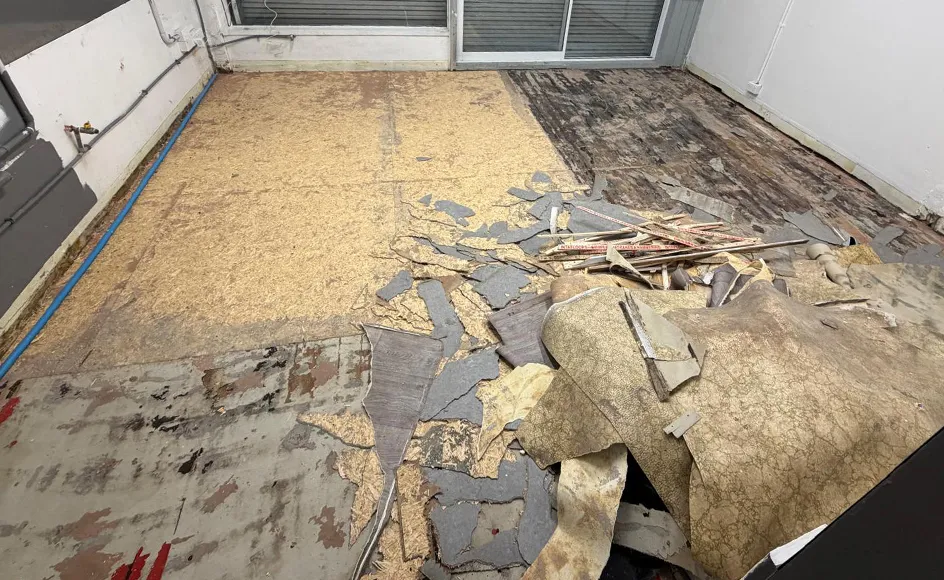
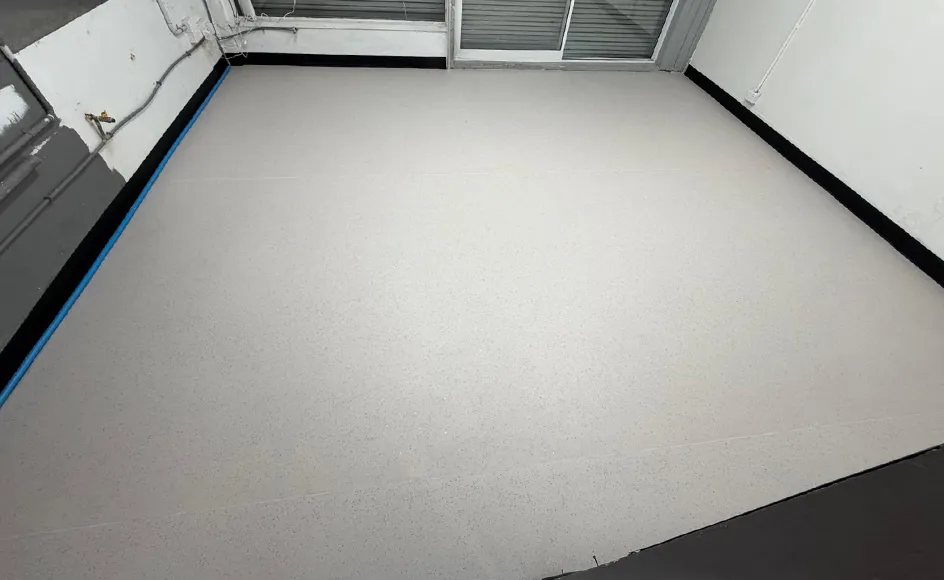
Waterproofing is an important part of protecting both newly built and existing bathrooms. For a new bathroom, the waterproofing needs to be properly planned and applied before tiling so that floors, walls, shower areas, and other wet zones have appropriate protection from moisture.
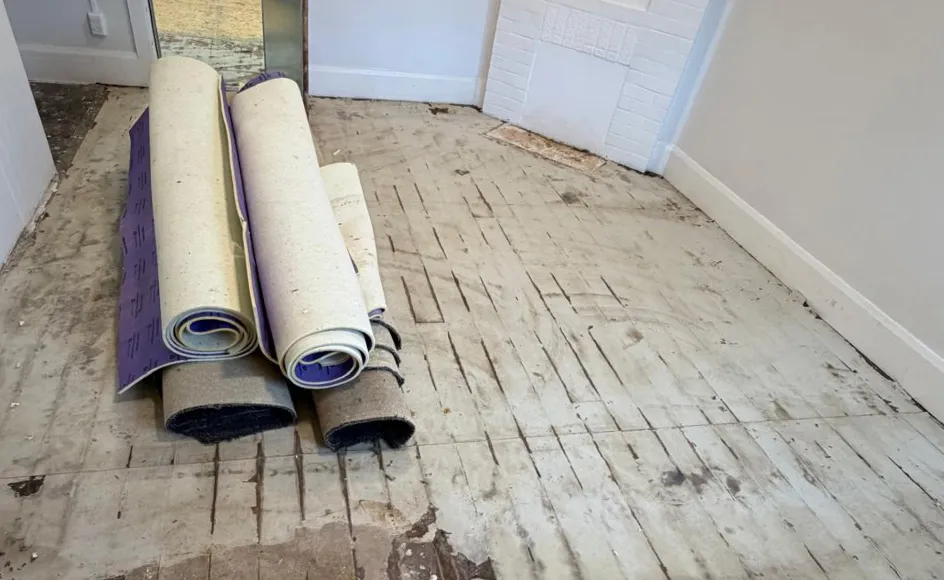
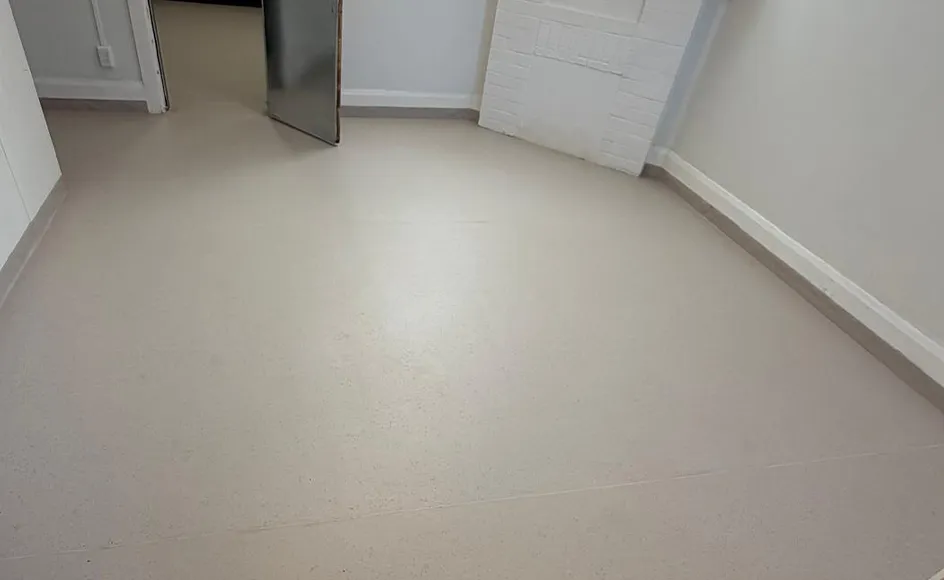
For an existing bathroom, the approach depends on the condition of the current waterproofing and the source of any water ingress. Where waterproofing has deteriorated or failed, the affected area may require preparation, repair, or replacement before new finishes are installed.
Waterproofing vs Leaky Shower Repair
Waterproofing and leaky shower repairs address related but different problems. A leaky shower may be caused by damaged grout, failed silicone, gaps around fixtures, cracked tiles, or problems with the underlying waterproofing.
A surface repair may be suitable when the leak is coming from a localised issue. If water has reached the underlying structure because the waterproofing has failed, simply replacing grout or sealant may not address the source. Identifying where the water is entering is the first step in choosing the appropriate repair.
Why Choose GroutWork for Waterproofing?
Bathroom waterproofing needs careful preparation, correct application, and attention to areas where water is most likely to penetrate. GroutWork focuses on identifying the cause of moisture problems and providing waterproofing work suited to the condition of the bathroom.
From existing water ingress to waterproofing requirements during bathroom renovations, our team takes a practical approach to protecting wet areas and helping prevent further water damage.
Professional assessment. Quality workmanship. Protection where it matters.
Need Professional Waterproofing?
If you are dealing with water ingress, dampness or a bathroom that needs waterproofing, speak with the GroutWork team. Contact us to discuss your bathroom and arrange an assessment.
Frequently asked questions
Waterproofing is the process of protecting surfaces from water penetration. In bathrooms and other wet areas, it helps prevent moisture from getting behind tiles and into walls, floors, and other parts of the building.
Proper waterproofing can help prevent water from penetrating through floors, walls, joints, and other vulnerable areas. However, existing leaks need to be assessed to determine their source and the appropriate repair.
Yes. Existing bathrooms can often be waterproofed as part of a repair or renovation. The condition of the existing surfaces, tiles, grout, and waterproofing membrane will need to be assessed first.
It depends on the condition of the existing waterproofing and the type of work required. In some cases, access to the underlying surfaces is necessary, while certain situations may allow for less invasive solutions.
Waterproofing is particularly important in shower areas, around baths, bathroom floors, wall junctions, and other areas regularly exposed to water. The exact areas requiring protection depend on the bathroom’s layout and construction.
Waterproofing can help address moisture entering through areas that are not adequately protected. However, mould and dampness can have several causes, so the underlying source of the moisture should be identified before waterproofing work begins.
Failed waterproofing can allow water to reach the underlying structure. Over time, this may contribute to dampness, mould, damaged walls or floors, deteriorating materials, and leaks into adjoining areas.
Failed waterproofing can allow water to reach the underlying structure. Over time, this may contribute to dampness, mould, damaged walls or floors, deteriorating materials, and leaks into adjoining areas.
The time required depends on the size and condition of the area, the waterproofing system being used, and whether preparation or repairs are needed first. A professional assessment can provide a clearer timeframe for your project
Yes. Waterproofing is an important part of preparing many wet areas before tiles are installed. The waterproofing system needs to be properly applied and allowed to cure according to the product requirements before tiling begins.
Contact us
Brands we work with


